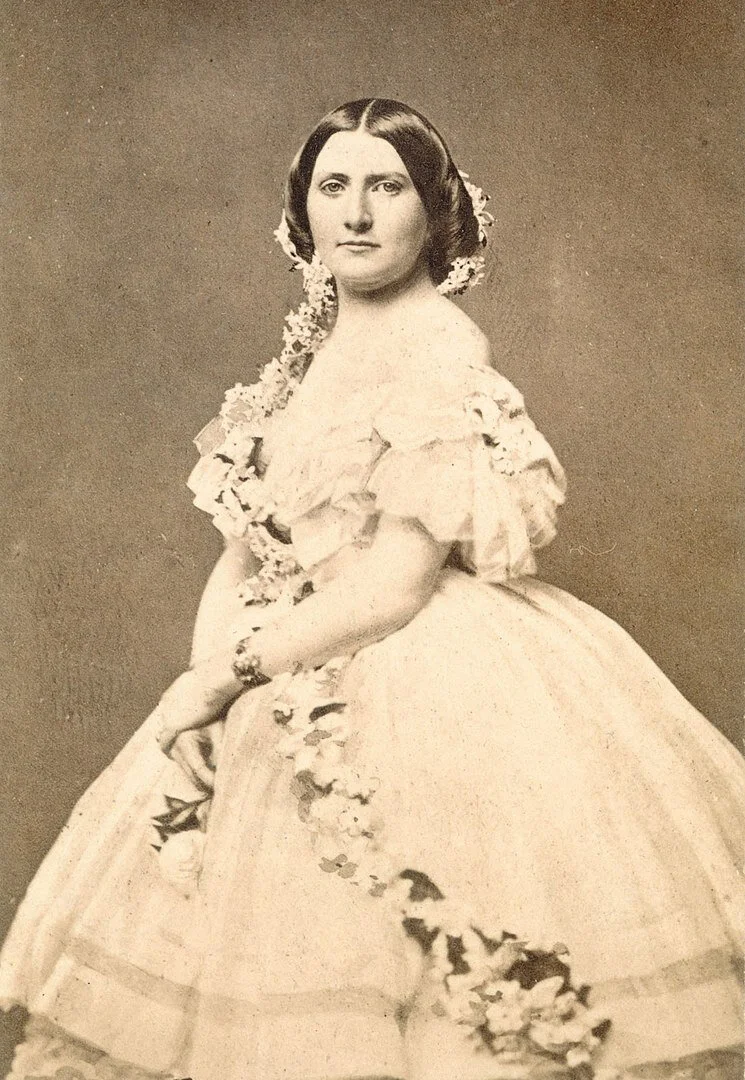
By Kathi Santora
Photo gallery at end of post
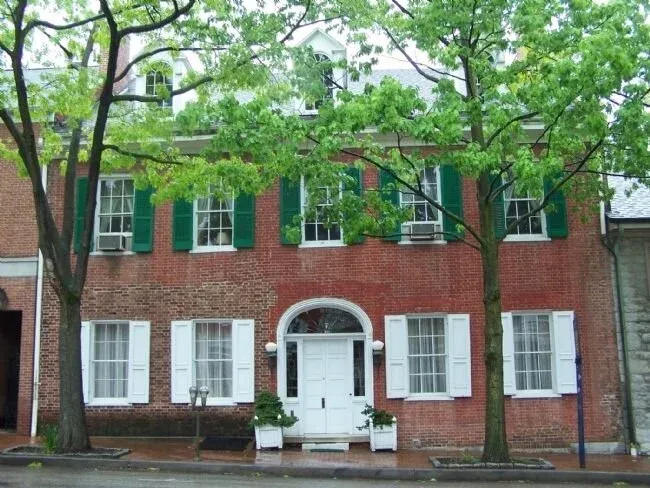
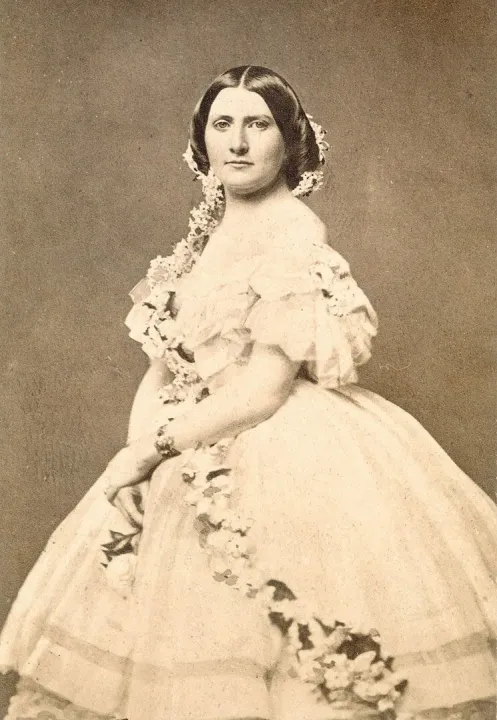
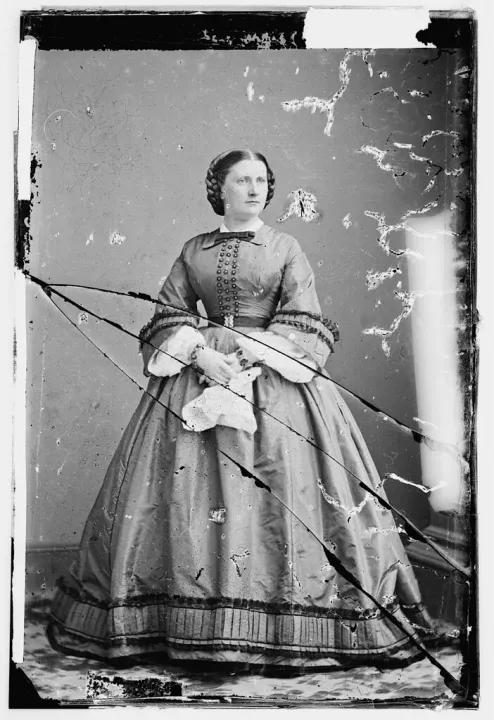
Harriet Lane Johnston (1830 – 1903) enjoyed a comfortable life as the daughter of a successful merchant in Mercersburg, Pennsylvania. The family’s Federal-style home, a testament to their success, still stands on Main Street there.
However, tragedy struck early in Harriet’s life. By the time she was 11, both parents had died.
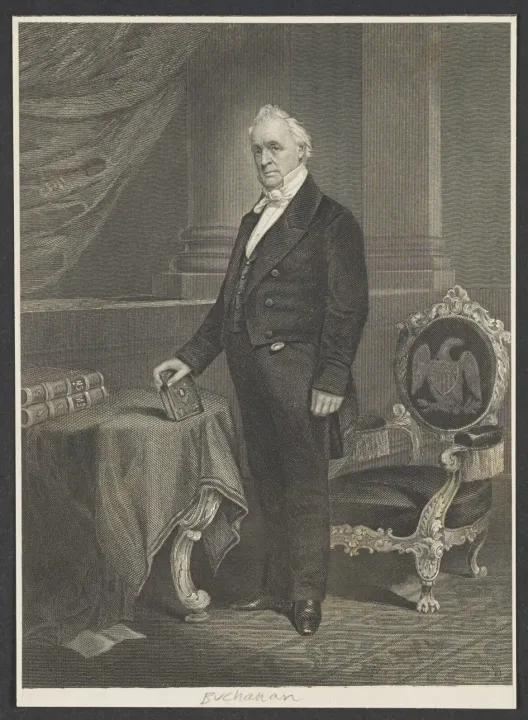
At her request, Harriet’s uncle, James Buchanan, became her guardian. Buchanan had been elected five times to the House of Representatives and was serving in the Senate at the time.
Early on, James Buchanan recognized something special in his niece. He ensured that she got the best education. With his political future rising, he also encouraged Harriet’s exposure to worldwide travel and politics. He reserved time with her to discuss current events and literature. The two built a trusting friendship as Harriet moved into her adult years.
A Popular First Lady
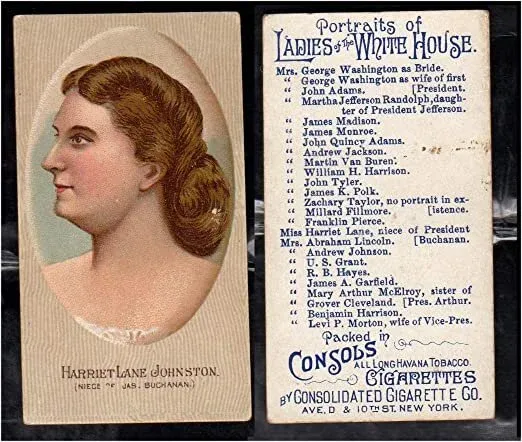
When Buchanan, a lifelong bachelor, became the 15th President of the United States, Harriet stepped into the role of First Lady of the United States from 1857 to 1861.
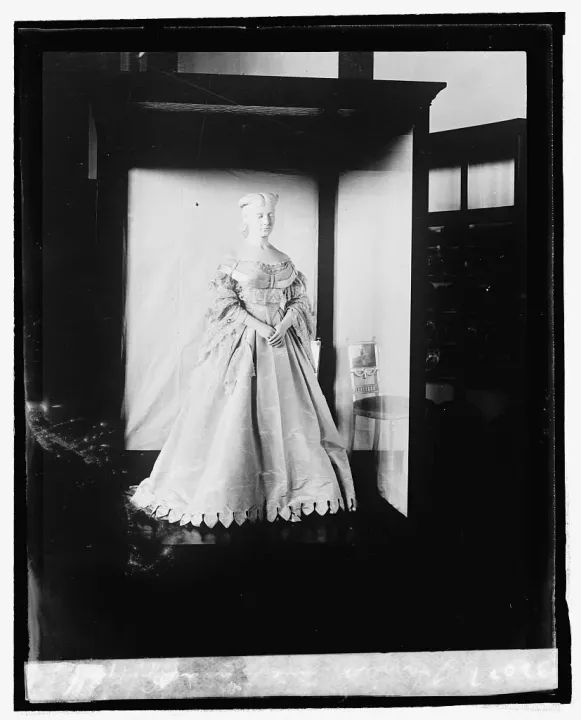
She was 27 years old. Some sources point to her popularity and image of a “modern first lady.” It was said she promoted social causes, entertained diplomats and other visitors and was a lively presence. She invited artists and musicians to the White House. Women copied her hair and clothing styles, including her preference for lower dress necklines.
Other sources suggest that the details of organizing state dinners, such as selecting the best foods and wine, eluded Harriet. She did, however, seem to excel at encouraging intellectual conversations among guests.
One thing is certain: she was a First Lady during some of the country’s most tumultuous years prior to the Civil War. It was during those years that Harriett nurtured worldwide contacts and friendships, to which she would return in later years.
A New Life in Baltimore
Harriet married Baltimore banker Henry Johnston at 35. In Baltimore, the couple enjoyed a high-profile social life and supported educational and artistic causes. However, the family experienced heartbreaking tragedy when they lost both of their young sons to rheumatic fever.
Harriet Lane Johnston and her husband determined to spare other families from this sorrow. Around 1883, they funded what would become the Harriet Lane Clinic, located in johns Hopkins Hospital.
It was the first hospital in the country devoted to children. Mrs. Johnston insisted that children from all races, creeds and nationalities have access to care.
To add to her heartbreak, Henry Johnston died in 1884. Harriet lost all of her family in four years.
Rebuilding Life Once Again
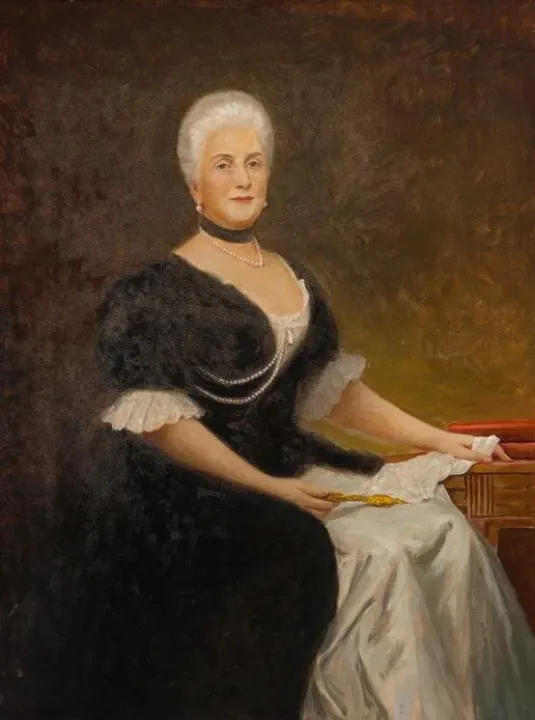
She moved from Baltimore to Washington DC to rebuild her life. She cultivated friendships with many of her previous diplomatic connections from her years at the White House, travelled frequently to Europe, collected art and maintained friendships with subsequent US First Ladies.
Her last overseas trip was to attend the June 1902 coronation of King Edward, a personal friend. She died in July 1903. Bequests from her will supported several institutions that still thrive today: the Harriet Lane Clinic located within the David M. Rubenstein Child Health Building at Johns Hopkins, the Smithsonian National Gallery of Art, the James Buchanan Birthplace Memorial and St. Alban’s School in Washington D.C.
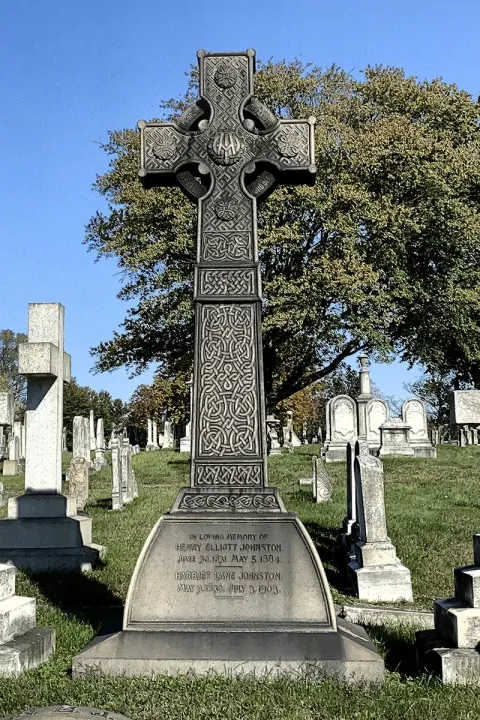
Harriet Lane Johnston is buried in Green Mount Cemetery next to her husband and two sons.
Read more:
The Alan Mason Chesney Medical Archives, Johns Hopkins Medical Institutions, The Harriet Lane Home for Invalid Children, accessed 11/22/20
First Ladies Archives, accessed 11/21/20
Johns Hopkins Nursing, The First Lady of Pediatric Care, accessed 11/22/20
The White House, article about First Ladies, accessed 11/22/20
St. Albans School website, article by Brice McAdoo Clagett ’50, accessed 11/22/20
Search:
Category::